


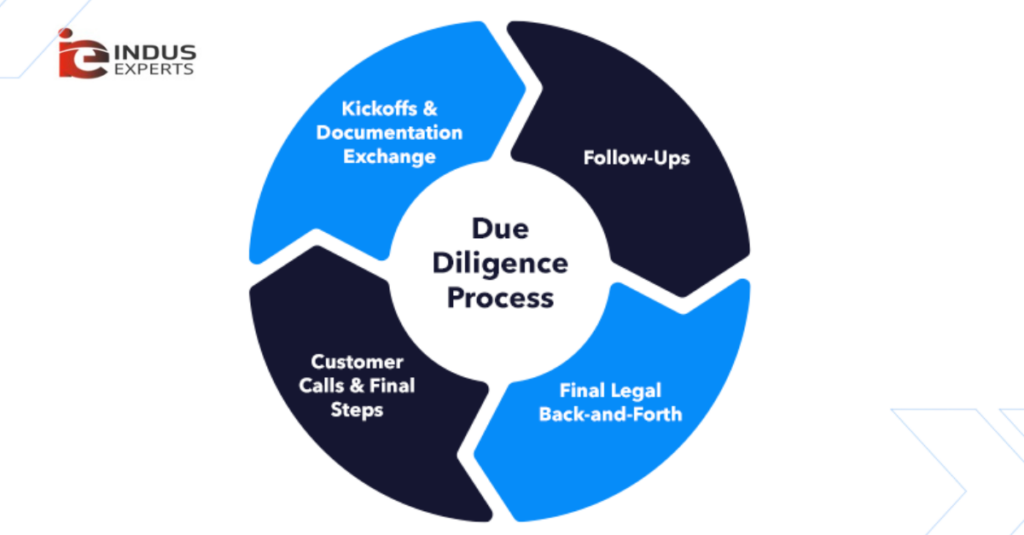
Due Diligence: The Process That Can Make or Break Funding
For startups seeking investment, a great pitch deck and ambitious vision are no longer enough. Investors today look beyond ideas — they carefully evaluate the legal, financial, operational, and compliance health of a business before making any funding decision. This evaluation process is known as Due Diligence, and for many startups, it becomes the stage where funding deals are either secured or lost.
In today’s competitive startup ecosystem, due diligence is not just a formality — it is one of the most critical processes that determines investor confidence and long-term business credibility.
Professional firms like Indus Experts, operating in the professional services and financial consulting sector, help startups and businesses prepare for investor due diligence through governance advisory, legal compliance, financial assessment, risk assurance, and corporate structuring services.
What Is Due Diligence?
Due diligence is a detailed investigation conducted by investors before funding or acquiring a company. The purpose is to verify whether the startup’s claims, financials, legal structure, and operational systems are accurate, compliant, and investment-worthy.
Investors typically examine:
- Financial records
- Company structure
- Legal agreements
- Tax compliance
- Intellectual property
- Founder background
- Operational performance
- Regulatory filings
- Cap tables and ESOPs
Weaknesses in any of these areas can delay or completely stop funding discussions.
Why Due Diligence Is So Important
Investors Don’t Invest Only in Ideas
Modern investors evaluate:
- Governance quality
- Financial transparency
- Regulatory compliance
- Scalability
- Risk exposure
A startup may have strong revenue potential, but poor documentation or compliance gaps can immediately reduce investor trust.
Common Reasons Startups Fail Due Diligence
1. Poor Financial Records
Many startups maintain incomplete accounting systems or inconsistent financial reporting. Investors often compare:
- Bank statements
- GST returns
- Profit & loss statements
- Revenue projections
Any mismatch raises serious concerns.
2. Weak Legal Documentation
Missing documents such as:
- Founder agreements
- Shareholder agreements
- Employment contracts
- ESOP structures
- Vendor contracts
can create ownership and operational risks during funding rounds.
3. Compliance Issues
Missed ROC filings, GST non-compliance, tax notices, or FEMA violations can become major red flags during investor review.
Discussions across founder communities frequently highlight how startups lose investor confidence because of delayed compliance and unstructured operations.
4. Unclear Cap Table and Equity Structure
Investors carefully analyze:
- Shareholding patterns
- Equity dilution
- ESOP allocation
- Founder ownership rights
Confusing or informal equity arrangements often create deal-breaking concerns.
5. Intellectual Property Risks
If a startup has not legally secured:
- Trademarks
- Patents
- Technology ownership
- Software rights
investors may worry about future disputes or loss of competitive advantage.
Types of Due Diligence Investors Conduct
Financial Due Diligence
Assessment of financial health, cash flow, liabilities, and profitability.
Legal Due Diligence
Review of contracts, compliance status, litigation risks, and corporate structure.
Operational Due Diligence
Evaluation of business processes, systems, scalability, and operational efficiency.
Commercial Due Diligence
Analysis of market position, growth potential, and competitive landscape.
Regulatory Due Diligence
Verification of legal and regulatory compliance requirements.
Why Startups Must Prepare Early
Many founders begin preparing only after investors request documents. This reactive approach often delays deals and exposes weaknesses.
Investor-ready startups maintain:
- Updated compliance records
- Transparent financial reporting
- Strong governance systems
- Proper legal documentation
- Organized data rooms
Businesses that prepare early usually complete funding discussions faster and more confidently.
How Indus Experts Assists Startups
Indus Experts helps startups and growing businesses become investor-ready through:
- Corporate governance advisory
- Financial and legal due diligence
- Risk assurance services
- Compliance management
- Company structuring
- ESOP advisory
- IPO readiness
- International business structuring
The firm combines expertise from Chartered Accountants, Company Secretaries, lawyers, and financial professionals to help businesses reduce risks and improve investor confidence.
Why Governance and Compliance Matter More Than Ever
Today’s funding environment is more cautious and data-driven. Investors no longer rely only on growth projections — they evaluate how well a business is managed internally.
Strong governance and compliance systems help startups:
- Improve valuation
- Reduce investment risk
- Build investor trust
- Scale efficiently
- Prepare for future funding rounds
Conclusion
Due diligence is one of the most important stages in a startup’s funding journey. A strong business idea may open the door to investors, but only a legally compliant, financially transparent, and operationally structured company can successfully close funding deals.
Startups that proactively build strong governance, documentation, and compliance systems are far more likely to attract investment and scale successfully. With professional support from Indus Experts, businesses can confidently prepare for due diligence and strengthen their position in front of investors and strategic partners.